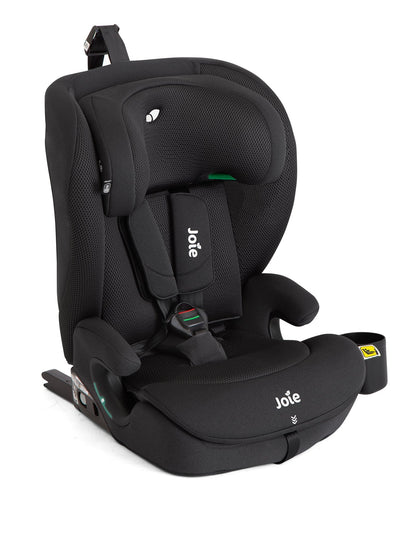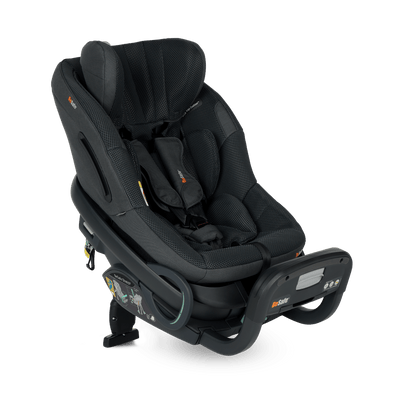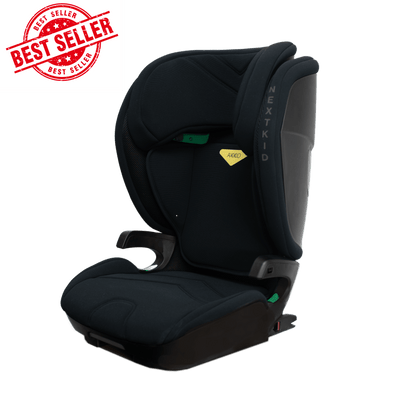
Popular Picks in This Category

3 products


Hip Spica Car Seats for Hip Dysplasia
Finding a suitable car seat for a baby or child wearing a hip spica cast can be challenging. A hip spica holds the hips and thighs in a fixed position and may cover the body from the waist down, including one or both legs. The width and position of the cast can prevent a child from fitting safely or comfortably into a conventional car seat, particularly one with high or restrictive sides.
At In Car Safety Centre, we offer a carefully selected range of car seat solutions for babies and children undergoing treatment for Developmental Dysplasia of the Hip, commonly known as DDH. Our options cover children from birth through to approximately three years and over, with purchase and rental solutions available depending on the child’s age, measurements, cast and individual requirements.
What is Developmental Dysplasia of the Hip?
Developmental Dysplasia of the Hip is a condition in which a baby or young child’s ball-and-socket hip joint has not developed normally. The hip may be loose, unstable or able to move out of its usual position.
Treatment may involve a Pavlik harness or rigid brace. Some children require surgery followed by a temporary hip spica cast to hold the hips securely while they heal.
A hip spica cast can hold the child’s legs in a wide, fixed position. This can make it difficult or impossible to position the child correctly in a standard infant carrier or toddler car seat.
Our Hip Spica Car Seat Options
We have selected three car seat solutions to support children at different stages of hip dysplasia treatment.
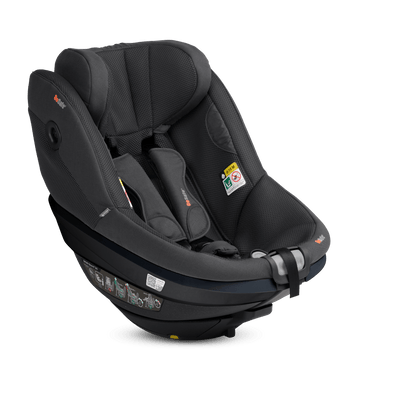
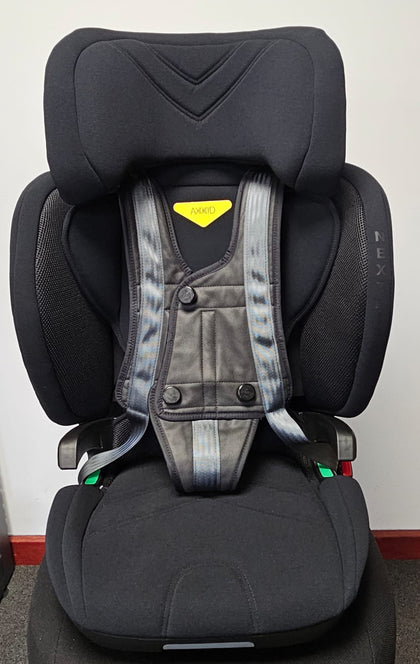
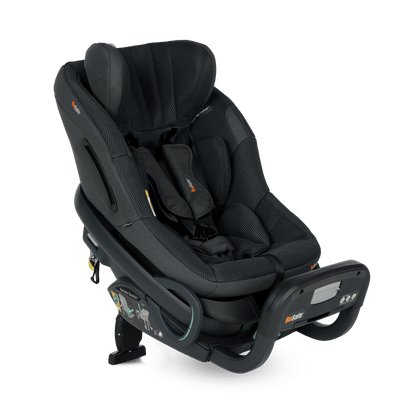
Avionaut Pixel 3.0 – Birth to Approximately 15 Months
The Avionaut Pixel 3.0 is our chosen infant carrier for younger babies, including babies undergoing treatment for hip dysplasia.
Its lightweight construction, supportive design and more open seating area may provide additional space for babies wearing a Pavlik harness, brace or certain types of hip spica cast.
The Avionaut Pixel 3.0 is suitable from birth, subject to the baby meeting the manufacturer’s approved height and weight requirements, and will generally provide a solution up to approximately 15 months.
Suitability will depend on:
- The baby’s height and weight.
- The size and position of the cast or brace.
- The width of the baby’s leg position.
- The position of the harness and crotch buckle.
- Compatibility with the family’s vehicle.
An individual assessment is strongly recommended before purchase.
TinySeats Two – Approximately 15 Months to 3 Years
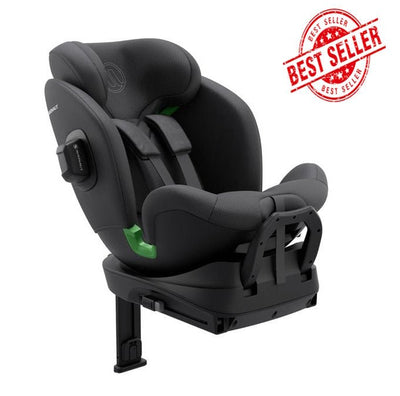
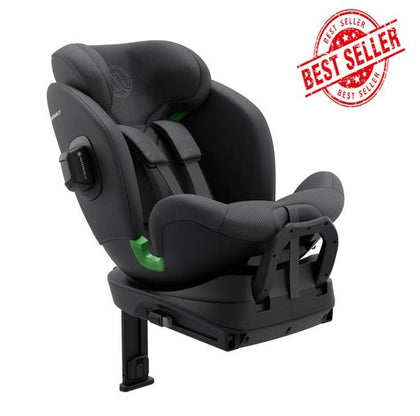
For toddlers who have outgrown an infant carrier, the TinySeats Two is our chosen option from approximately 15 months to three years.
Its design provides greater flexibility for children who need more room around the hips and legs. This can make it a suitable option for some toddlers wearing a hip spica cast who cannot be safely accommodated in a conventional high-sided toddler seat.
The TinySeats Two must only be used when the child meets the manufacturer’s approved height, weight and developmental requirements.
The child’s cast, measurements and seated position must also be assessed before the seat is ordered. Not every hip spica cast is identical, and suitability cannot be determined by age alone.
In Car Safety Centre Hip Dysplasia Seat Rental – Approximately 3 Years Plus
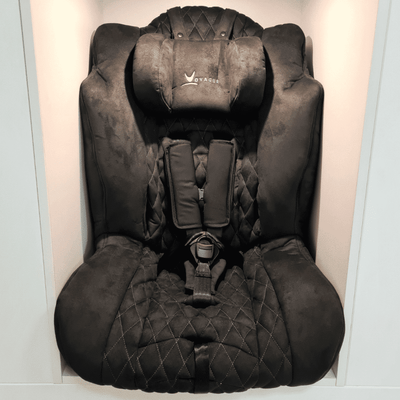
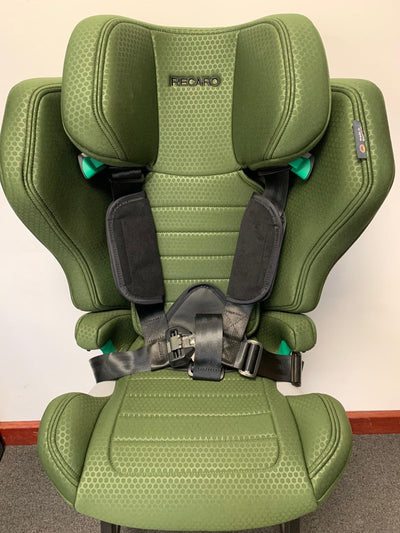
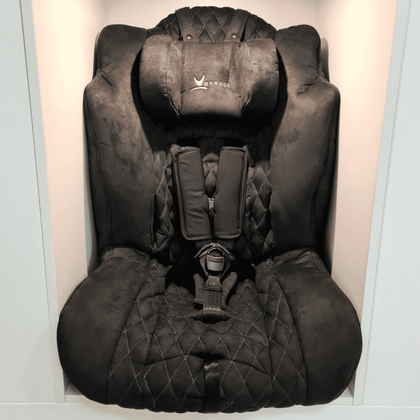
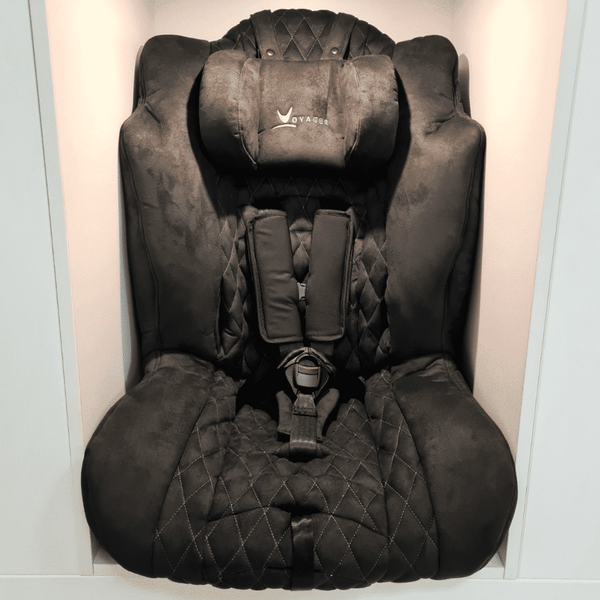
For older children from approximately three years of age, we offer rental of the original In Car Safety Centre Hip Dysplasia Seat.
This specialist seat has been adapted to provide additional space and support for children wearing a hip spica cast. It may be suitable when the width or position of the cast prevents the child from using their usual car seat.
Rental can provide a practical solution when the seat is only required for the temporary duration of the child’s treatment or recovery.
Availability is limited, and the seat must be assessed for suitability based on:
- The child’s age, height and weight.
- The width and shape of the hip spica cast.
- The position of the child’s legs.
- The child’s support and positioning needs.
- The duration for which the seat is required.
- The vehicle in which the seat will be installed.
Please contact us as early as possible before surgery or cast fitting to discuss availability and arrange an assessment.
Which Hip Spica Car Seat Does My Child Need?
As a general guide, our selected options are:
Birth to approximately 15 months: Avionaut Pixel 3.0
Approximately 15 months to 3 years: TinySeats Two
Approximately 3 years plus: In Car Safety Centre Hip Dysplasia Seat Rental
These age ranges are a guide only. The most appropriate seat will depend on the child’s approved height and weight limits, physical development, cast position and vehicle compatibility.
Children of the same age can have very different measurements, and hip spica casts vary considerably in width, angle and construction. We will therefore need to assess each child individually.
Travelling Safely with a Hip Spica Cast
Children must continue to use an appropriate child restraint while travelling in a vehicle. It is not safe for a child to travel unrestrained, on an adult’s lap or lying across a vehicle seat.
A suitable hip spica car seat must:
- Accommodate the full width and position of the cast.
- Allow the child to sit securely without being forced into the seat.
- Support the child’s back, body and legs appropriately.
- Allow the harness and crotch buckle to sit in their intended positions.
- Remain within the seat’s approved height and weight limits.
- Be compatible with the vehicle.
- Be installed according to the manufacturer’s instructions.
The harness should fit securely over the child and should not be routed underneath or incorrectly around the cast.
Do Not Modify a Standard Car Seat
Do not cut, remove, extend or alter any part of a standard car seat or harness yourself.
Cushions, rolled towels, homemade supports, alternative buckles or replacement straps should not be added unless they have been specifically supplied or approved for use with that seat.
Unauthorised alterations can affect the way the child and car seat perform in a collision. They may also invalidate the seat’s approval, warranty or insurance.
Arrange the Seat Before Surgery
Where possible, contact us before your child’s planned surgery or hip spica fitting. This allows more time to assess the child, discuss the likely cast position and identify the most appropriate purchase or rental option.
Your hospital’s occupational therapist, orthopaedic team, physiotherapist or specialist nurse may be able to provide information about:
- The expected width of the cast.
- Whether one or both legs will be included.
- The likely angle of the child’s hips and knees.
- Whether a stabilising bar will be used.
- How long the cast is expected to remain in place.
- Any additional positioning or medical requirements.
Photographs and measurements of the cast may also be requested once it has been fitted.
Specialist Advice from In Car Safety Centre
Our experienced team can help you consider:
- The most appropriate option for your child’s age and size.
- The position and dimensions of the hip spica cast.
- Whether the Avionaut Pixel 3.0 or TinySeats Two may be suitable.
- Availability of the In Car Safety Centre Hip Dysplasia Seat Rental.
- Vehicle compatibility and available seating positions.
- Correct installation and harness positioning.
- How the child’s needs may change once the cast is removed.
Please contact In Car Safety Centre before ordering or travelling to a branch. Hip spica car seats are specialist products, and suitability must be assessed individually.
Towcester: 01908 220909
Essex: 01702 808313